Pressure Systems Built for Real Demand
Water pumps in Danbury for homes and businesses with inconsistent or insufficient water pressure
Foley's Pump Service, Inc. provides water pump systems across Danbury, handling everything from residential well pumps to commercial booster systems for buildings with sustained pressure demands. Properties drawing from private wells—common across the residential areas surrounding Danbury where municipal water doesn't reach every parcel—frequently outgrow aging jet pump setups or find that original pressure tanks no longer hold a consistent charge. Foley's Pump Service installs the right system for the actual conditions of your property, not a one-size-fits-all configuration.
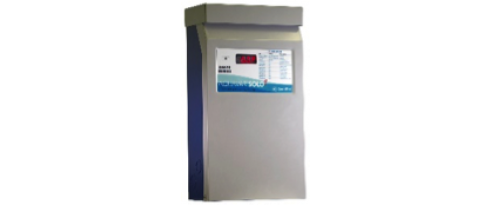
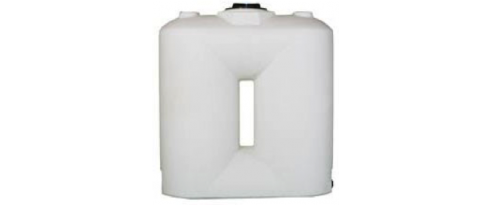
The service covers submersible pumps, jet pumps, storage and pressure tanks, constant pressure systems, and booster systems. For properties on private wells, Foley's Pump Service can also locate and drill a new well or perform hydrofracking on an existing one to increase the sustainable yield—a step that matters when a household draws more volume than the current well can reliably supply. Hydrofracking uses high-pressure water injection to open existing fractures in the bedrock, expanding flow without drilling an entirely new bore.
Arrange an on-site evaluation to identify which system configuration fits your pressure requirements and current well output.
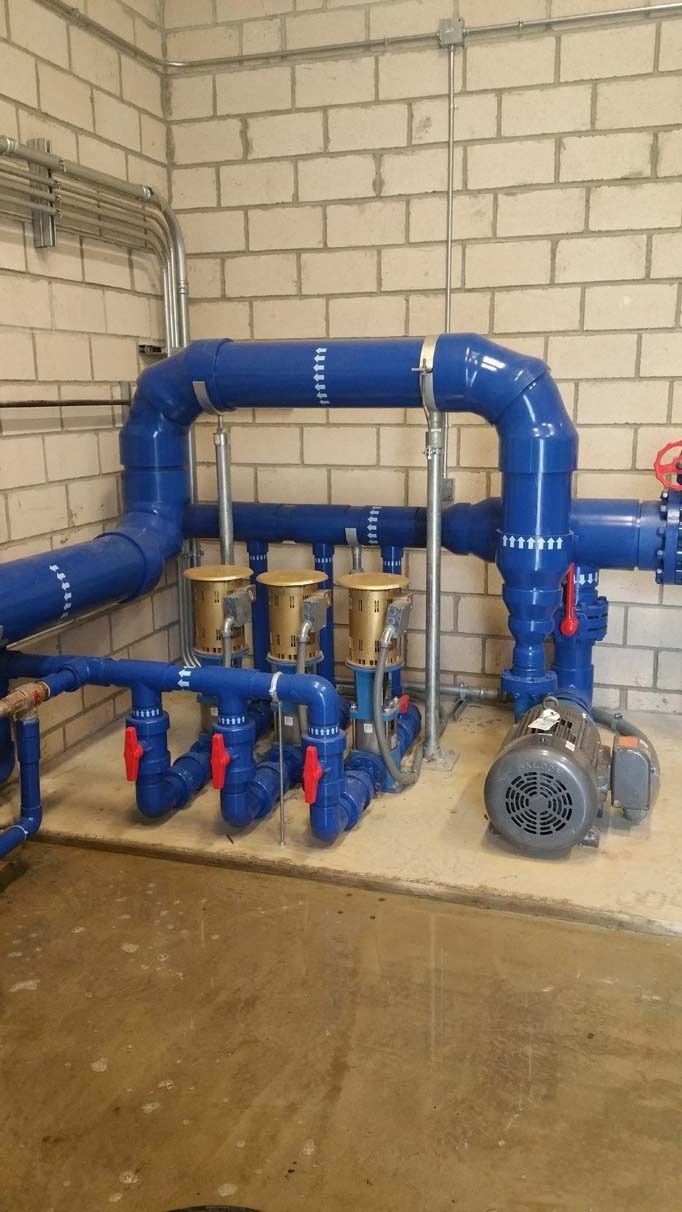
What Proper Water Pump Installation Requires
Installing a pump system begins with assessing what the property actually needs: the depth of the water source, the flow rate required for the number of fixtures or irrigation zones, and whether pressure consistency or raw volume is the primary problem. A constant pressure system uses a variable-speed drive to maintain steady output regardless of how many fixtures are open simultaneously, which is different in function from a standard pressure tank that cycles the pump on and off between set thresholds. Getting that selection right prevents premature pump wear and avoids the short-cycling that burns out motors over time.
Once the correct system is specified and installed, the change is immediately measurable: fixtures hold consistent pressure under simultaneous load, irrigation zones reach full coverage without drop-off, and the pressure tank doesn't run through rapid on-off cycles that signal an undersized or waterlogged tank. For properties where low yield was the original complaint, hydrofracking results are visible through a post-service flow test that documents the before-and-after output rate from the well.
Well depth and bedrock geology affect which pump type is appropriate—submersible pumps are seated directly in the water column and are the standard choice for deeper wells, while jet pumps work from above grade and are typically suited to shallower applications. Foley's Pump Service evaluates both the water source and the distribution demands before specifying equipment, which keeps the installed system matched to how the property actually uses water.
Common Questions About Water Pump Systems
The questions below address how water pump systems are selected, installed, and maintained for residential and commercial properties in Danbury.
What is the difference between a submersible pump and a jet pump?
A submersible pump sits below the waterline inside the well casing and pushes water up under pressure, making it the standard choice for wells deeper than roughly 25 feet; a jet pump sits above ground and pulls water using suction, which limits its effective depth but suits shallower well configurations.
How does hydrofracking increase well output?
Hydrofracking introduces high-pressure water into the well bore to widen and clear existing fractures in the surrounding bedrock, allowing more groundwater to migrate into the well—the results are confirmed through a flow test that measures gallons per minute before and after the procedure.
When does a pressure tank need to be replaced?
A pressure tank showing rapid pump cycling, waterlogged behavior, or physical corrosion has typically lost its air charge or its internal bladder has failed, both of which put excess strain on the pump motor and indicate the tank should be replaced rather than recharged repeatedly.
What makes a constant pressure system different from a standard pressure tank setup?
A constant pressure system uses a variable-frequency drive to adjust pump speed in real time, so water pressure at the tap stays consistent whether one fixture or several are running at once—standard tank systems cycle the pump between fixed cutoff points, which can cause noticeable pressure swings in homes with multiple simultaneous draws.
How are booster systems used in commercial or multi-unit buildings in Danbury?
Multi-story buildings or properties with long distribution runs often see pressure drop at upper floors or far fixtures; a booster pump is installed in-line to increase pressure specifically in those zones without requiring changes to the primary supply pump or well system.
Foley's Pump Service, Inc. handles water pump installation, well drilling, and hydrofracking for residential and commercial properties throughout Danbury. Request an on-site assessment to review your current well output and identify the pump configuration that matches your actual usage demands.
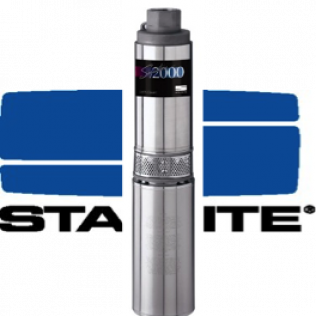
Submersible Pumps
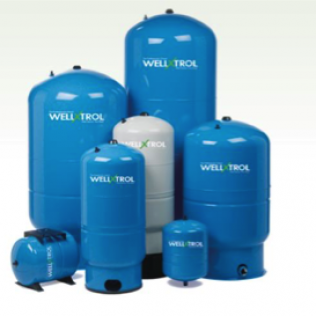
Storage and pressure tanks
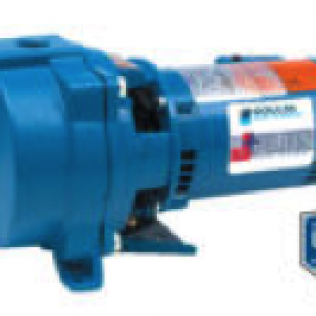
Jet Pumps
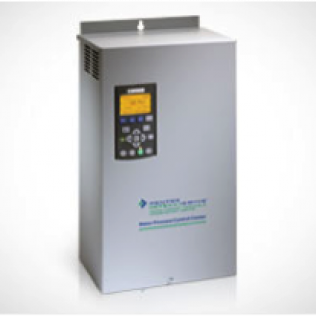
Constant pressure systems
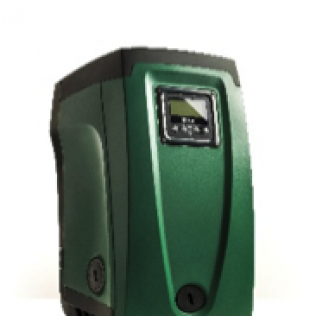
Booster Systems