
Septic Pump Failures Require Immediate Attention
Septic pumps in Danbury for systems showing signs of failure, backup, or alarm activation
A failed septic pump doesn't give much warning before the consequences become serious. Foley's Pump Service, Inc. responds to septic pump failures in Danbury on the same day calls come in, limiting both health risks and the property damage that follows when a system backs up or overflows. The properties across Danbury's residential areas that rely on private septic systems—particularly on larger lots and older rural parcels where connection to municipal sewer was never extended—face the full scope of consequences when a pump stops working, and the margin for delay is narrow.
Foley's Pump Service handles sump and septic pump repair and replacement, alarm repair and service, E1 conversion kits, multi-pump control panels, and confined space entry for systems that require it. Early diagnosis is a specific focus: identifying a pump that is starting to fail, running inconsistently, or triggering its alarm before a full failure occurs saves the property owner from the larger repair scope that follows a backup event. The service also includes emergency response for systems that have already failed.
Schedule a same-day diagnostic visit to assess your septic pump's condition before a developing problem becomes an emergency.
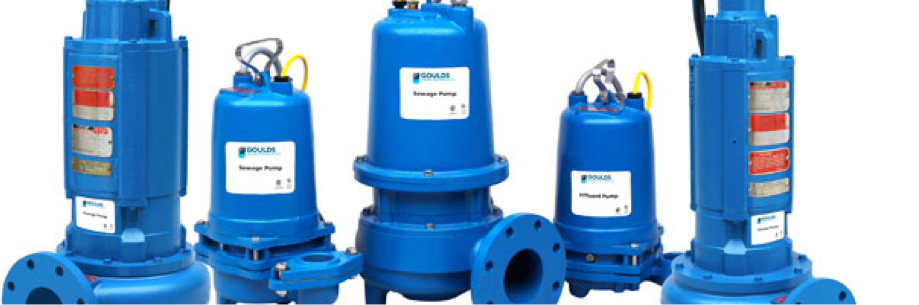

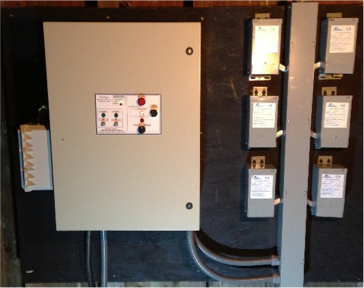
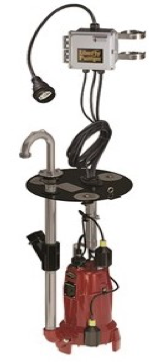
How Septic Pump Service Addresses System Failure
Diagnosing a septic pump problem begins with identifying where in the system the failure is occurring—whether it's the pump motor itself, the float switch controlling activation, the alarm circuit, or the control panel governing a multi-pump setup. These components fail in distinct ways: a pump that runs continuously but moves no effluent points to a different issue than one that won't activate at all or one that trips its alarm without an apparent cause. Foley's Pump Service uses state-of-the-art tools and safe installation methods to isolate the specific failure point before any component is replaced.
After repair or replacement is complete, the system should return to normal cycling behavior: the pump activates when liquid in the tank reaches the float trigger point, moves effluent to the drain field or next treatment stage, and shuts off cleanly without alarm activation. Odor, slow drainage, and alarm signals that prompted the original call should resolve once the failed component is corrected and the system is confirmed operational. Foley's Pump Service verifies function before leaving the site.
Confined space entry is required on some septic system configurations where pump access involves entering the tank or a below-grade vault—this is a regulated procedure with specific safety protocols, and it's not work that should be improvised. Multi-pump control panels add a layer of complexity that affects how faults are read and cleared; Foley's Pump Service services those panels as part of the overall system rather than treating the pump in isolation.
What Property Owners Ask About Septic Pump Work
The following questions address how septic pump diagnosis, repair, and replacement are handled for residential and commercial properties, including the specific components and procedures involved.
What are the early signs that a septic pump is beginning to fail?
Slow drainage from fixtures, a septic alarm that activates intermittently, or a pump that runs longer cycles than usual are all early indicators that the pump motor, float switch, or control circuit is degrading before a full failure occurs.
How does confined space entry work for septic pump access?
When a pump is located inside a below-grade tank or vault, accessing it requires following confined space entry protocols—atmospheric testing, ventilation, and standby safety procedures—because the environment can contain hazardous gases that make unprotected entry dangerous.
What is an E1 conversion kit and when is it used?
An E1 conversion kit allows an existing septic pump system to be updated to a more current pump standard without replacing the entire assembly, which is relevant for older Danbury properties whose original pump configurations have been discontinued or whose replacement parts are no longer manufactured.
Why does a septic alarm activate even when the pump appears to be running?
A pump that is running but moving insufficient volume—due to a worn impeller, partial blockage, or incorrect float positioning—can allow tank levels to rise high enough to trigger the alarm even though the motor is energized, which is why alarm events require diagnosis of the full system rather than just checking whether the pump turns on.
How is a multi-pump control panel serviced when one pump in the system fails?
Multi-pump panels assign specific roles to each pump in a staged or alternating configuration; when one pump fails, the panel's fault indicators identify which unit has failed, and service involves both replacing the failed pump and verifying that the panel's alternation and alarm logic is functioning correctly across all remaining units.
Foley's Pump Service, Inc. provides septic pump repair, replacement, emergency service, and system diagnostics for properties throughout Danbury. Contact Foley's Pump Service directly to arrange an on-site estimate or to request same-day emergency response for an active septic pump failure.